
Styrofoam and 3D-printed prototypes: from idea to finished model for guaranteed success.
A fundamental process for testing, improving and validating projects in development
Custom Styrofoam Prototypes: The Solution to Optimize Your Project
From vision to concrete verification: the added value of a realistic model

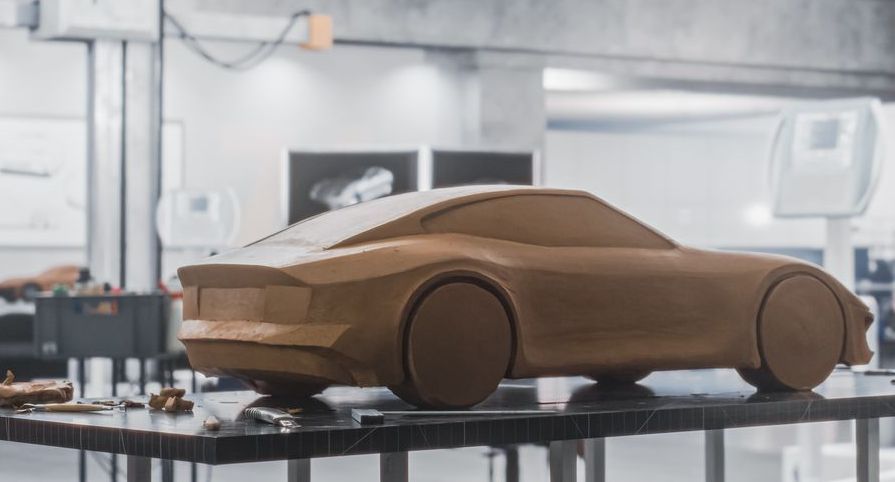
Prototyping is a fundamental phase in the development of a product or system. It involves creating a physical model, which can be full-scale or small-scale, with the aim of visualizing, testing, and concretely evaluating a design idea. This process allows for analyzing functionality, proportions, and any critical issues before moving on to the actual production phase.
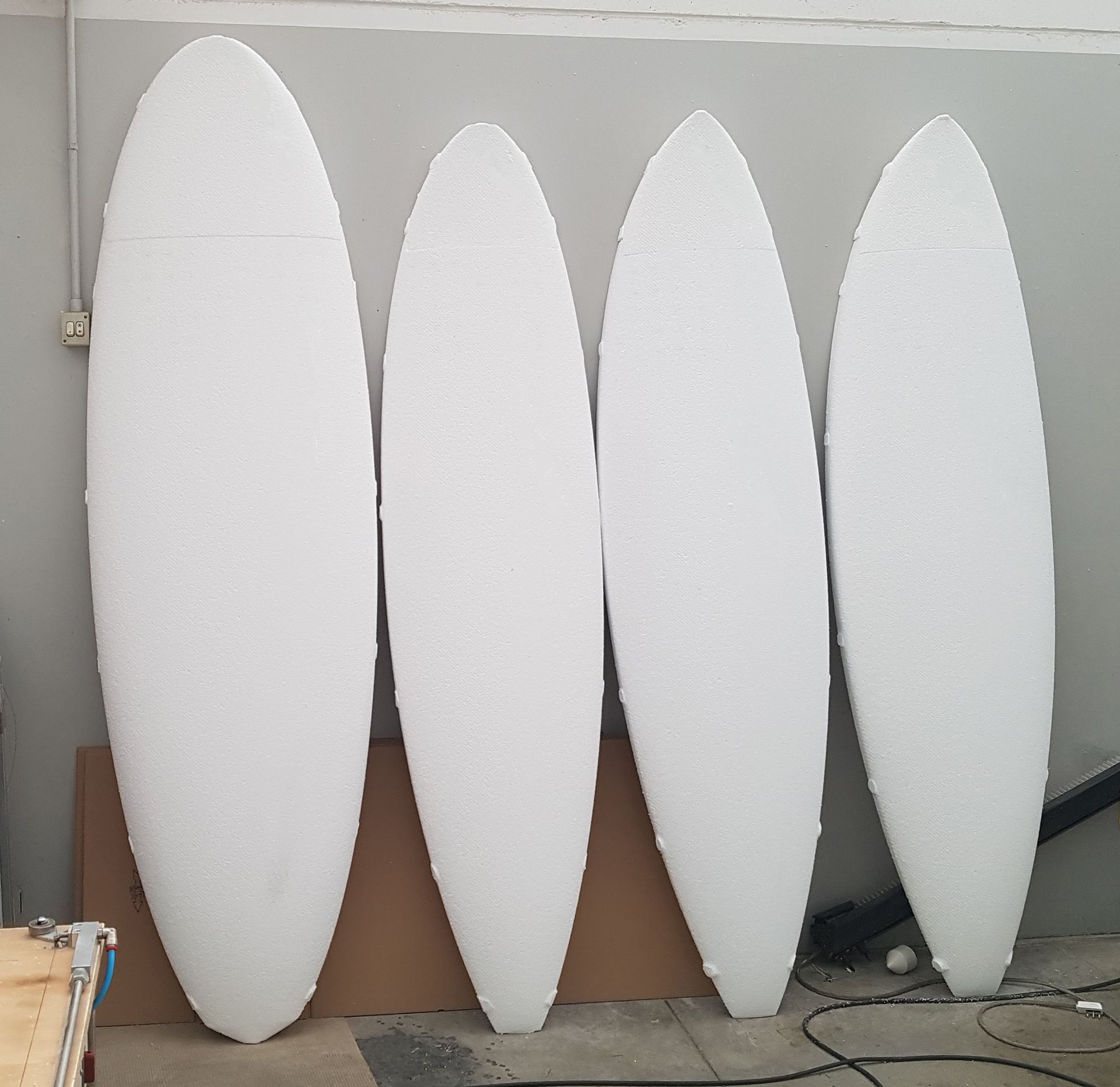
At Gasperini SNC, we create prototypes in expanded polystyrene, an extremely versatile, lightweight, and easy-to-shape material. Thanks to our precision-cut polystyrene processing, we can quickly reproduce complex shapes, offering practical support to designers, engineers, and manufacturing companies.
Prototyping is also a useful tool for communicating a project idea to stakeholders, investors, or clients, making a concept tangible that, until then, only existed on paper or digitally. Opting for a prototype allows you to gather valuable feedback and make adjustments before putting it into production.
Identifying and correcting any defects at this stage saves time, resources, and costs. Styrofoam for prototypes is therefore a practical, economical, and high-value solution for those who want to innovate with efficiency and precision.
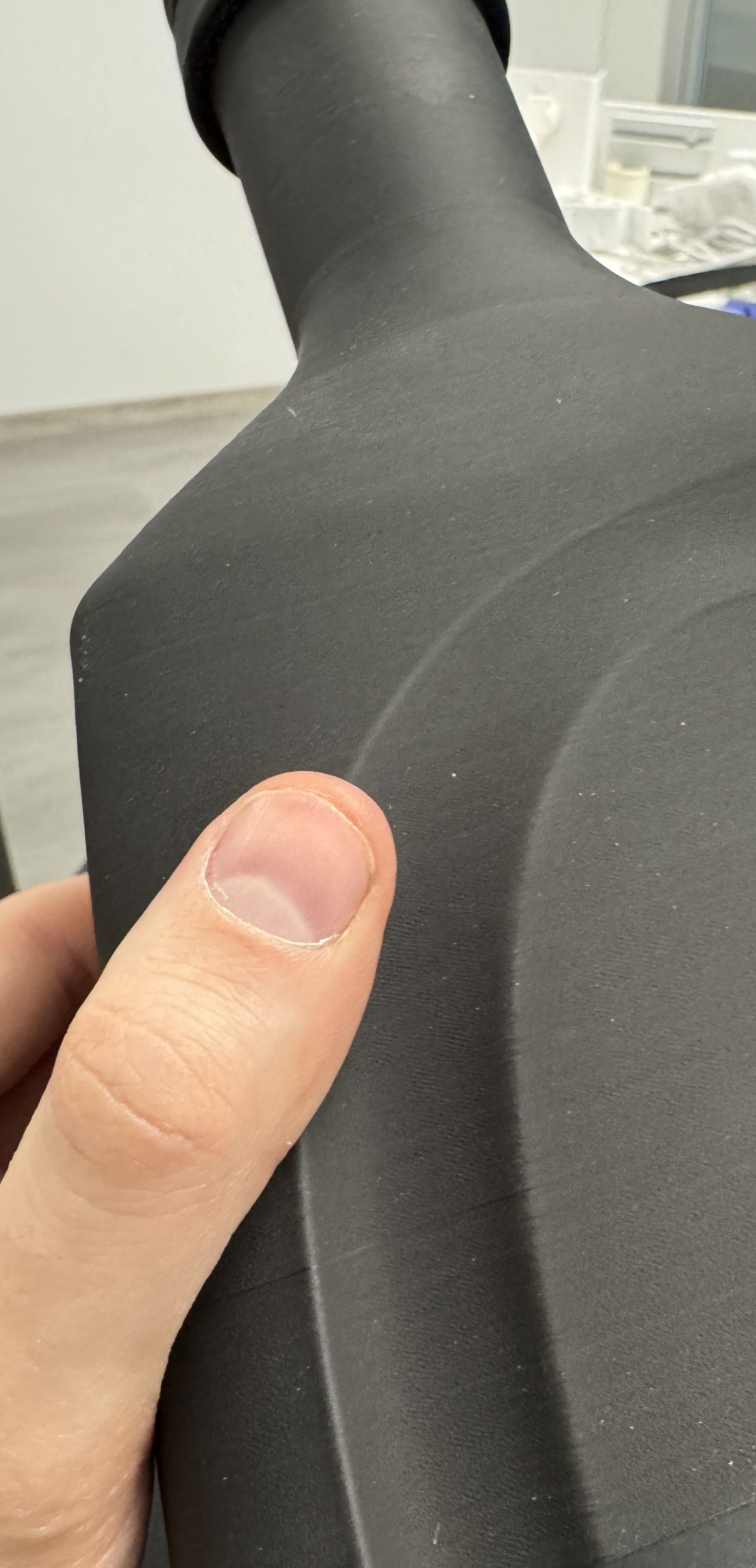
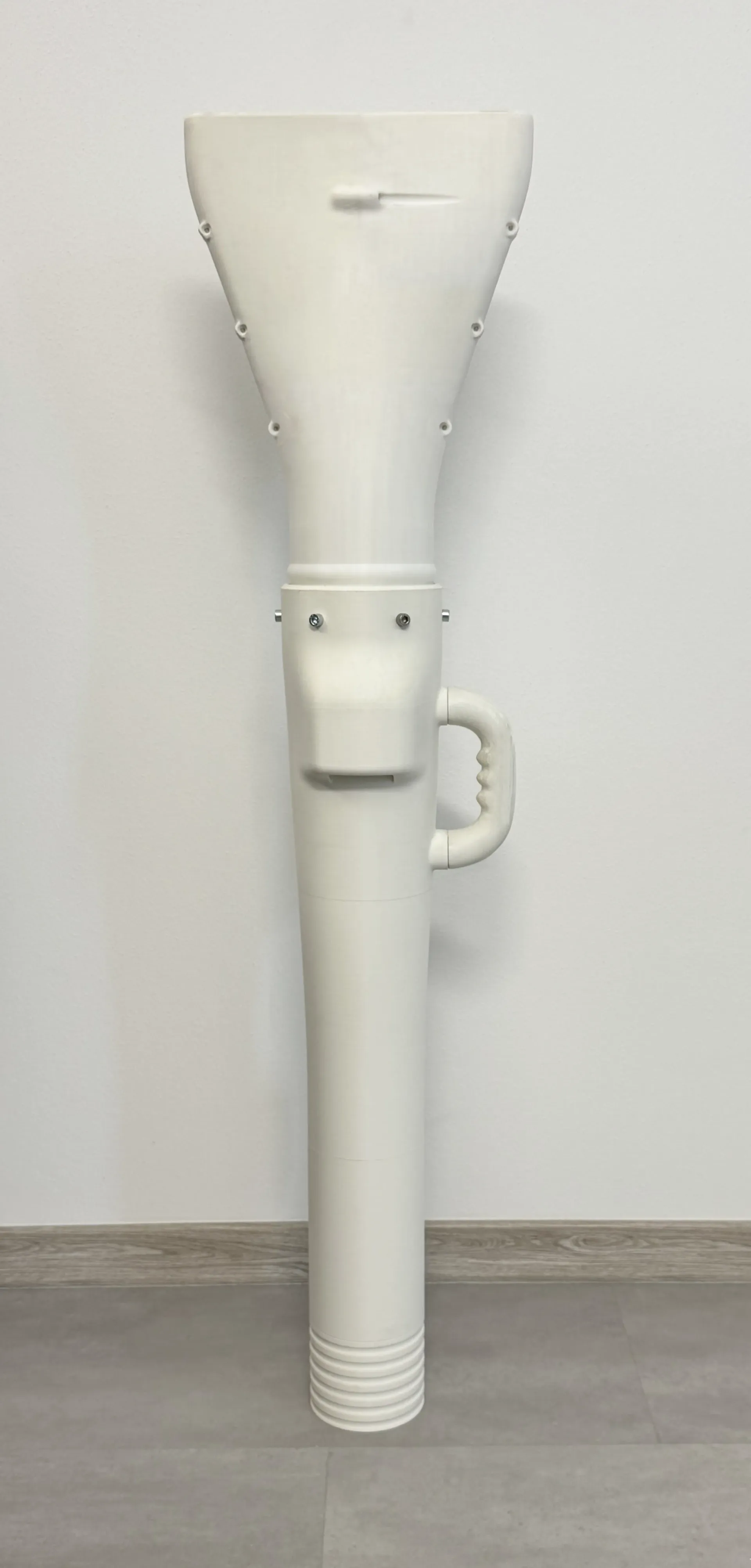
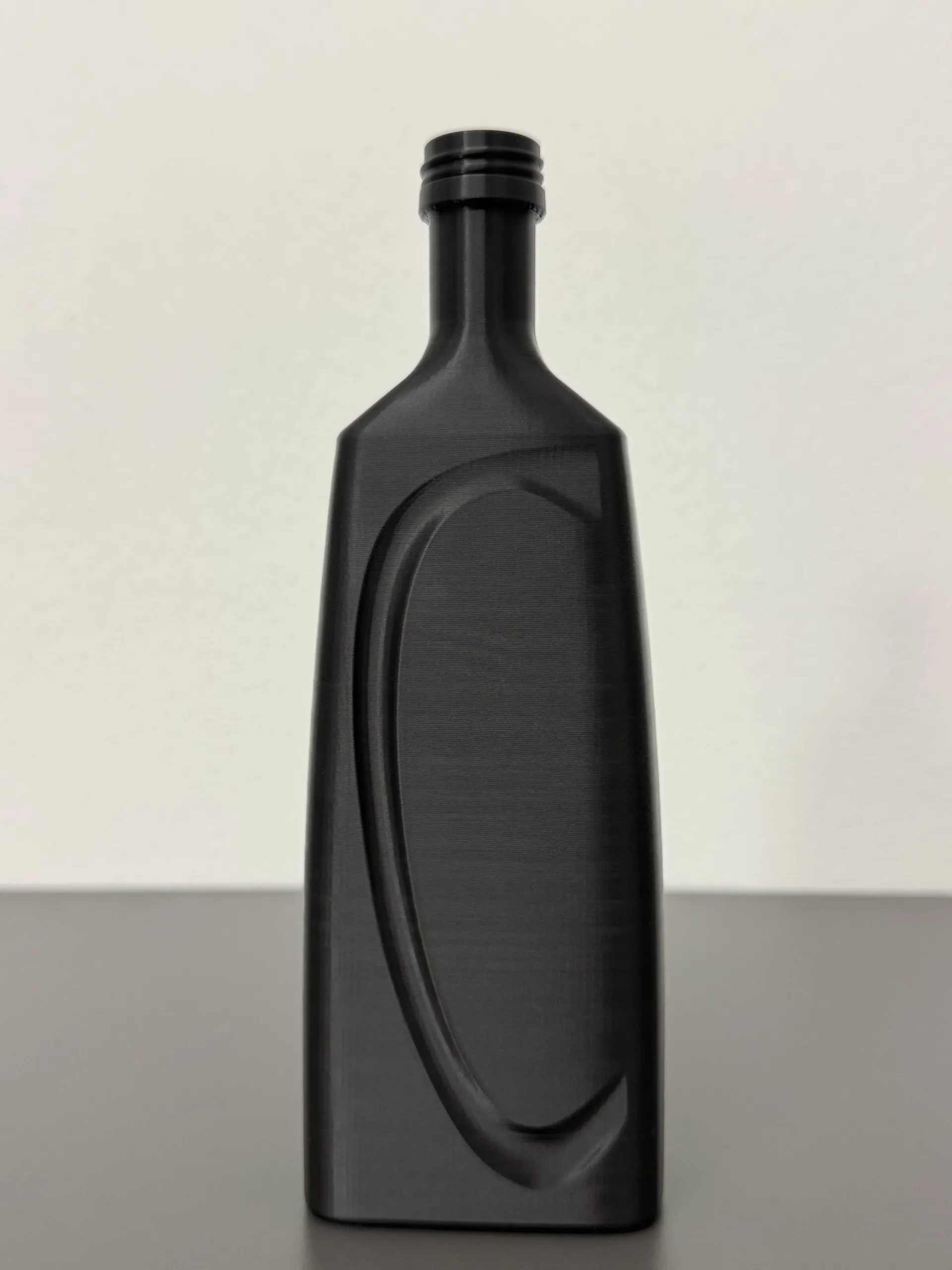
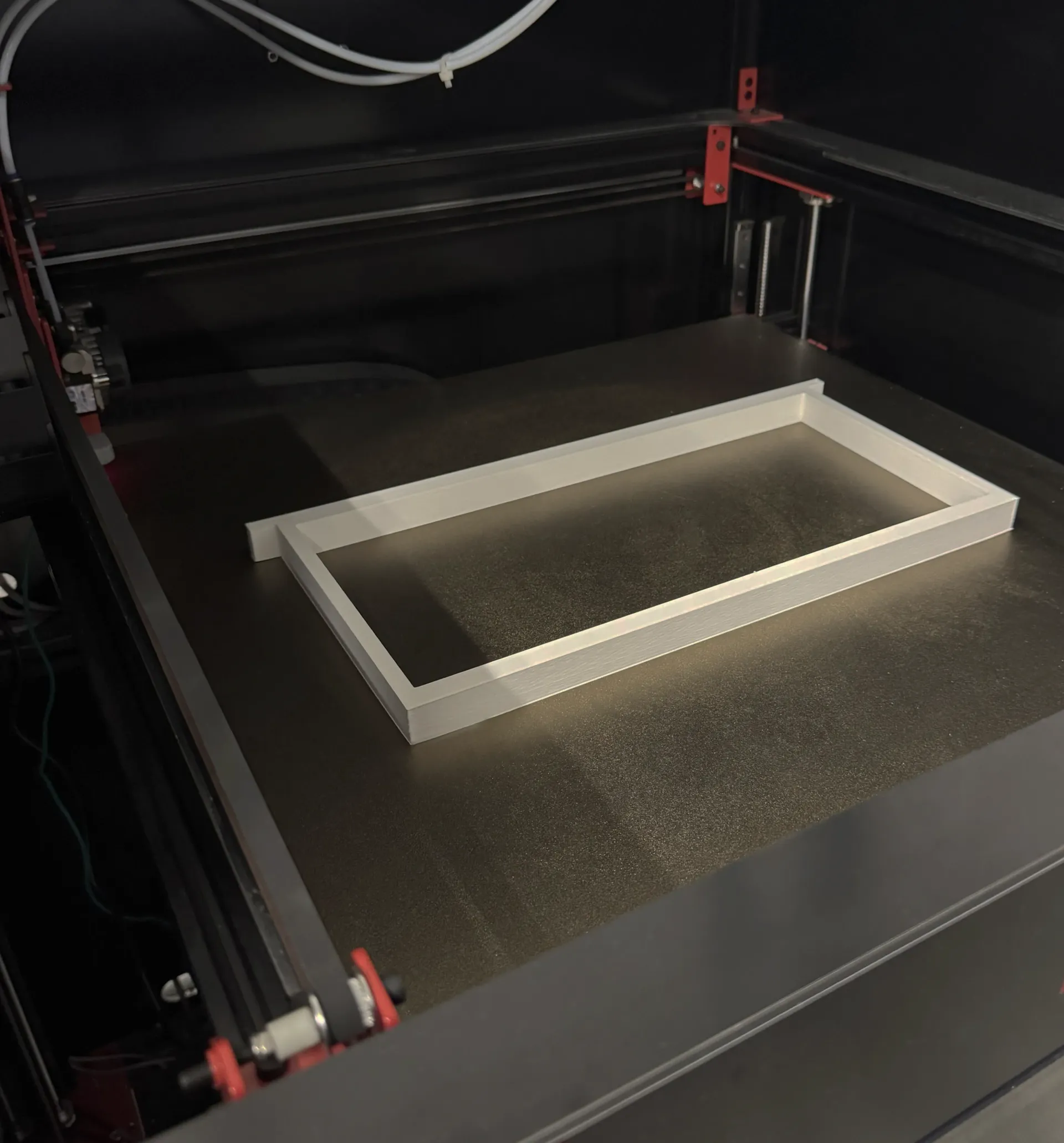
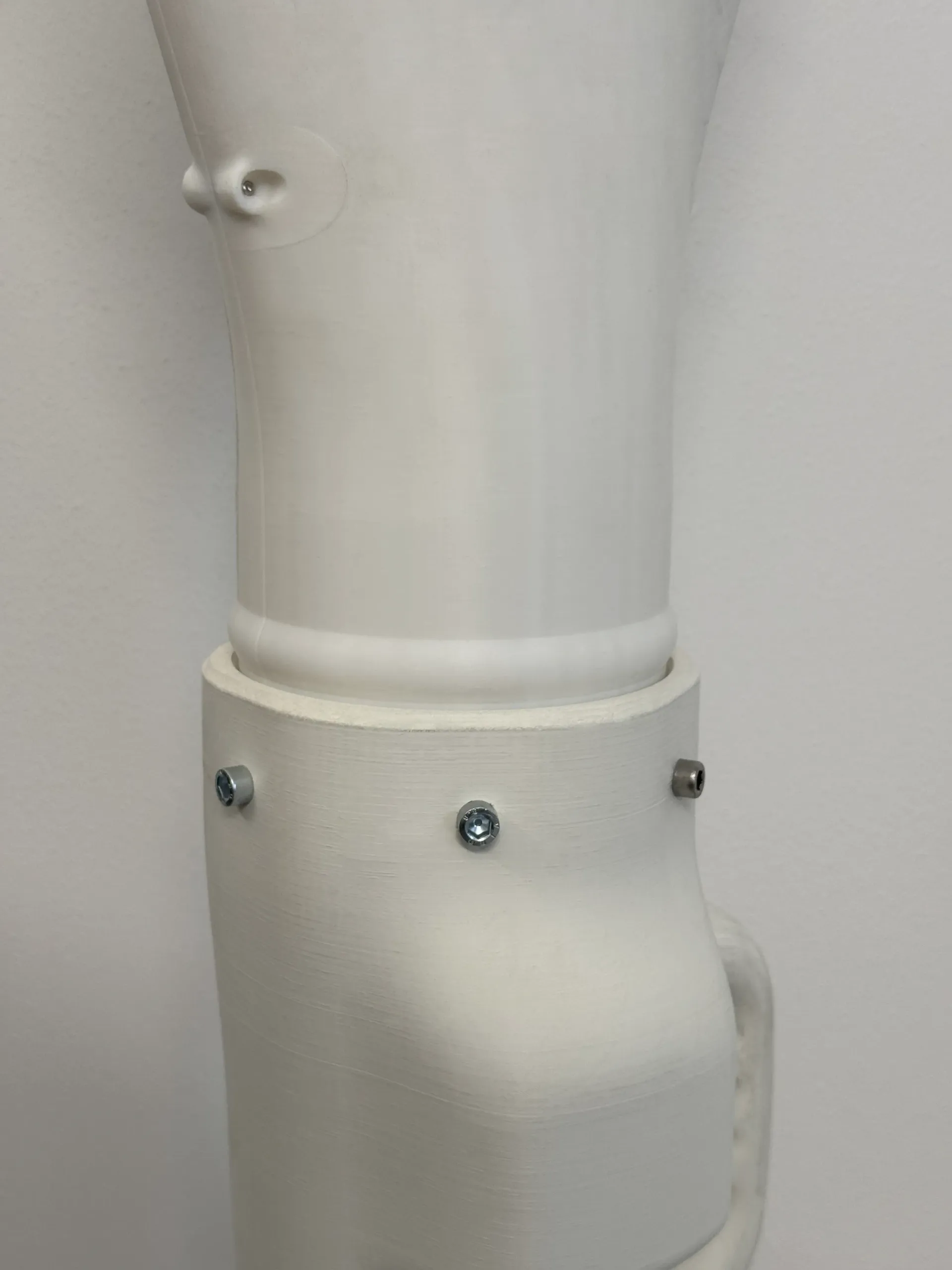
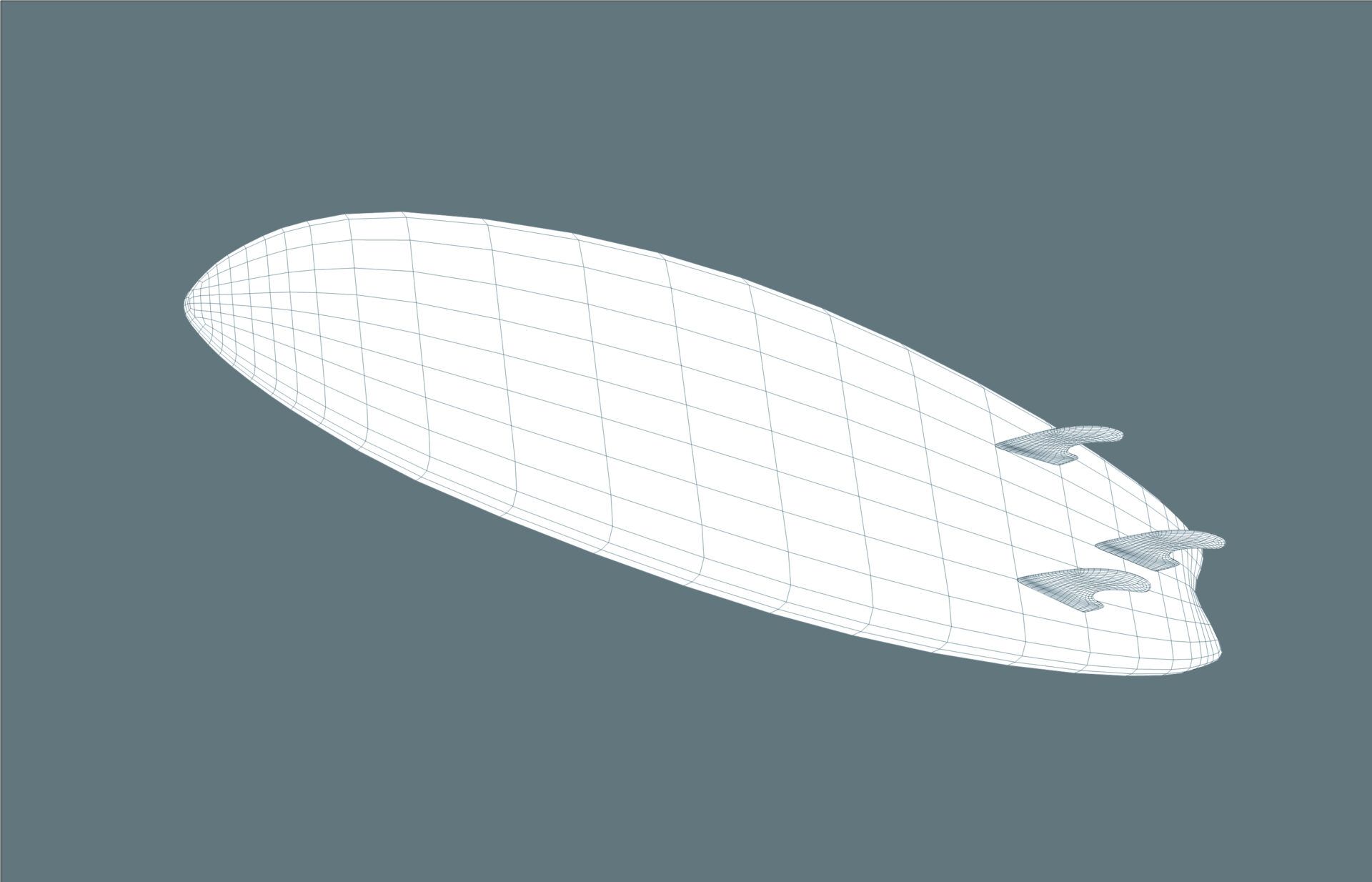
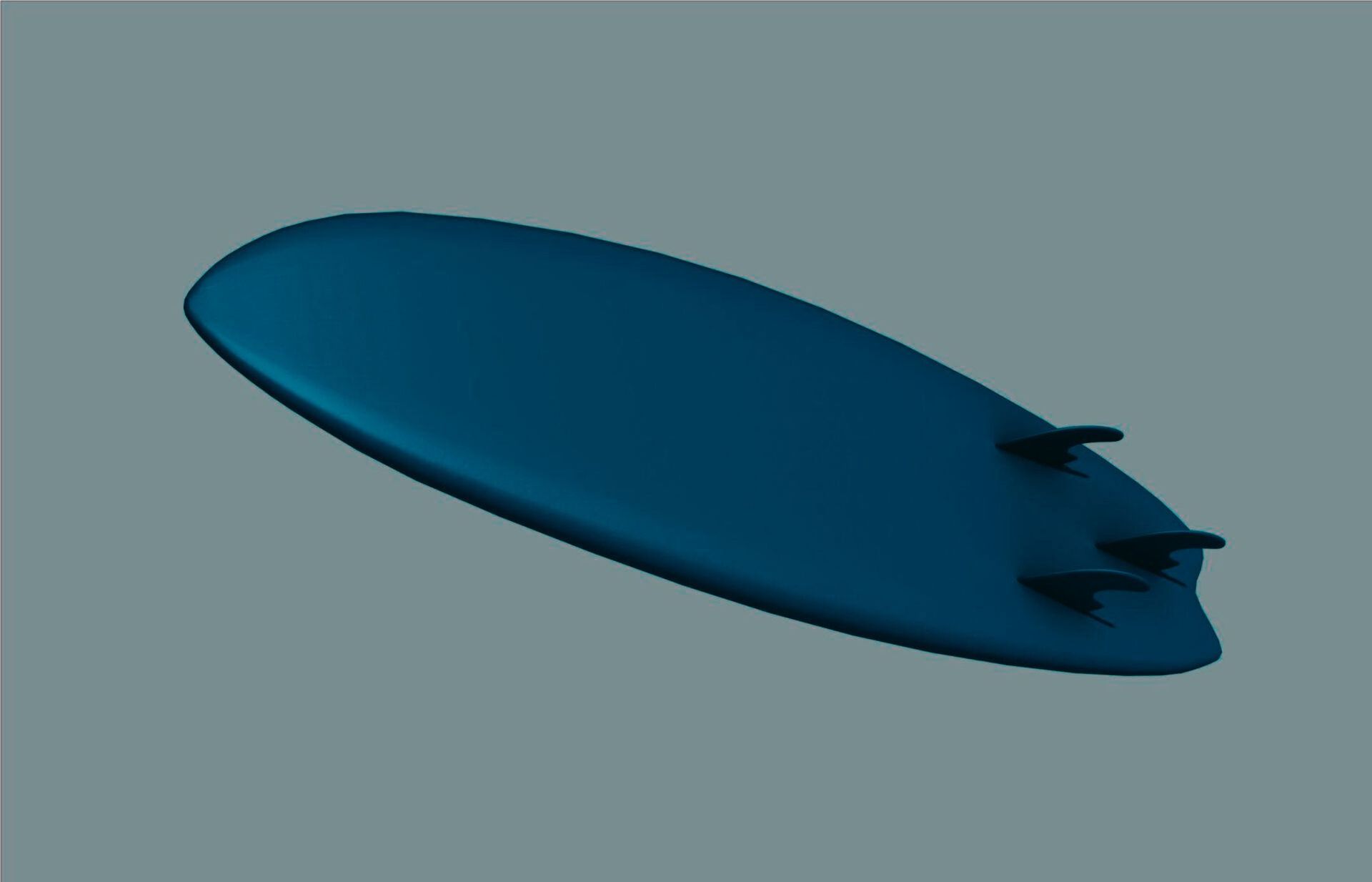
3D PRINTED Prototypes
Aesthetic prototypes and prototypes with technical materials
10 Reasons Why Prototyping is Essential
Adapt the project
We've already touched on this aspect, but it deserves further exploration. Project problems aren't always obvious on paper or screen. By creating a prototype, you can evaluate the product and identify areas for improvement, gathering more precise requirements and market feedback.
Adjust colors, textures and shapes
Now that you can see your product, what would you change to make it more marketable?
Improve product integrity
A prototype allows you to identify structural weaknesses in the product, solving problems and monitoring costs. It also highlights design uncertainties, avoiding downstream discoveries.
Ensures quality
By testing the prototype, you can identify any issues that cause product defects. You can develop quality control methods and standards before starting full production.
Measure acceptable tolerance levels
This is the opportunity to decide whether any changes to the design can make the production process more economical.
Knowing the true cost of production
Prototypes help engineers understand the amount of material needed, helping them accurately quantify the true cost per unit of mass producing their product.
Finding efficiencies and savings
At this stage, you can carefully examine your processes and see if you can consolidate production steps to reduce labor, equipment, and raw material costs.
Editing tools
Once you have your prototype built, you may find that efficiencies can be gained by modifying your tooling and fixtures.
Making a more durable product
You will be able to assess whether you are using the right fasteners and other components to make a durable product.
Resolving conflicts
If your engineers disagree on the product design, prototyping allows them to understand which features work best and why. The result optimizes the design, delivering the best possible product.
OUR BRANDS




DO YOU HAVE AN IDEA, A PROTOTYPE TO MAKE, OR DO YOU NEED CUSTOM PACKAGING?
Don't miss the opportunity to have a free consultation with the best experts in the field, highly qualified professionals who will offer you support and guidance.
These experts are ready to share their skills and experience with you, helping you make a wise and informed choice for your future.
Take advantage of this unique opportunity and start building the foundation for your success!